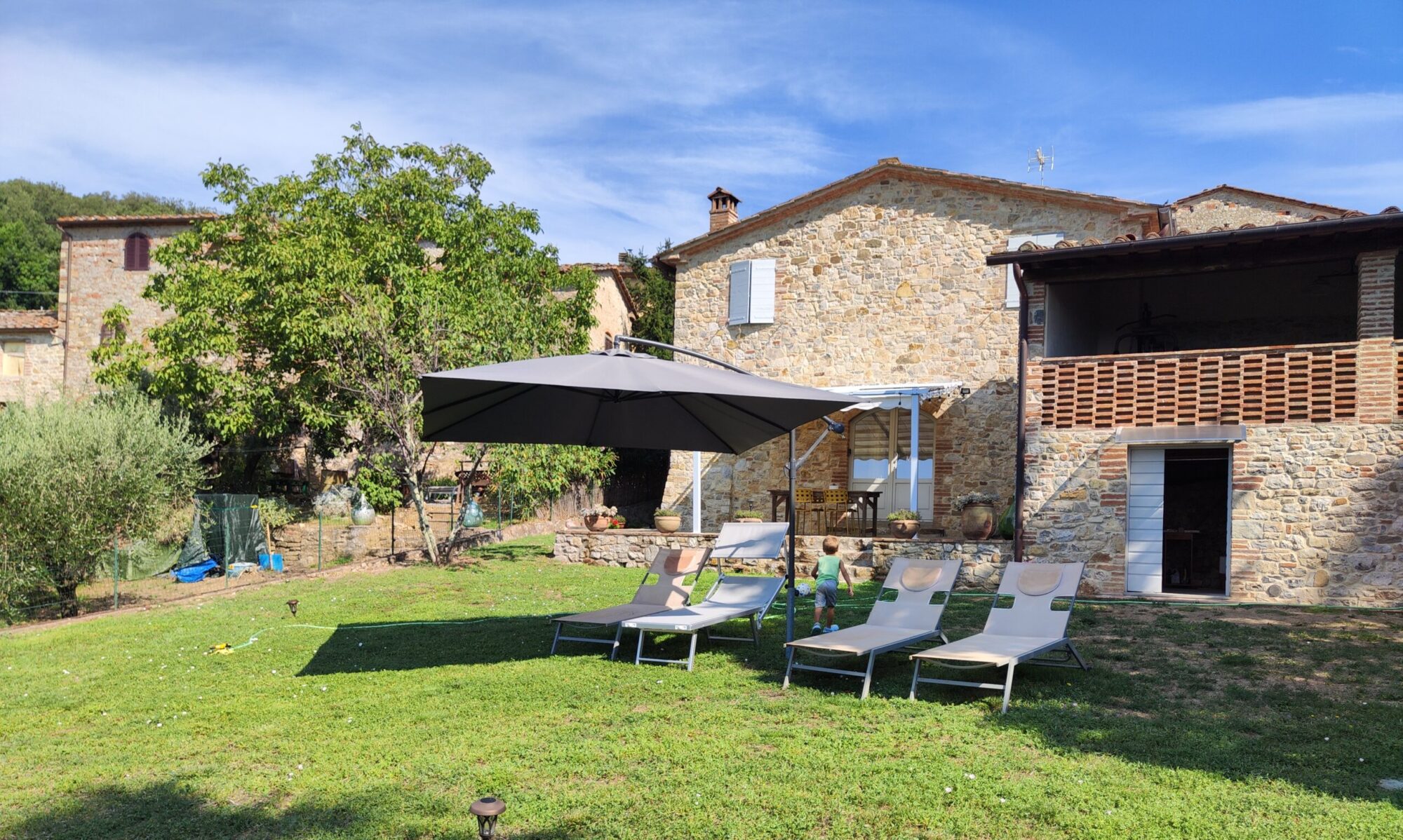


The territory of the entire Valdambra is characterized by a strong natural imprint, mainly Mediterranean scrub and its related fauna, with which man has learned to coexist while respecting its majesty.
Trees of Memory
On the initiative of the Municipality of Bucine, seven monumental trees have been catalogued, affectionately called “Trees of Memory”.
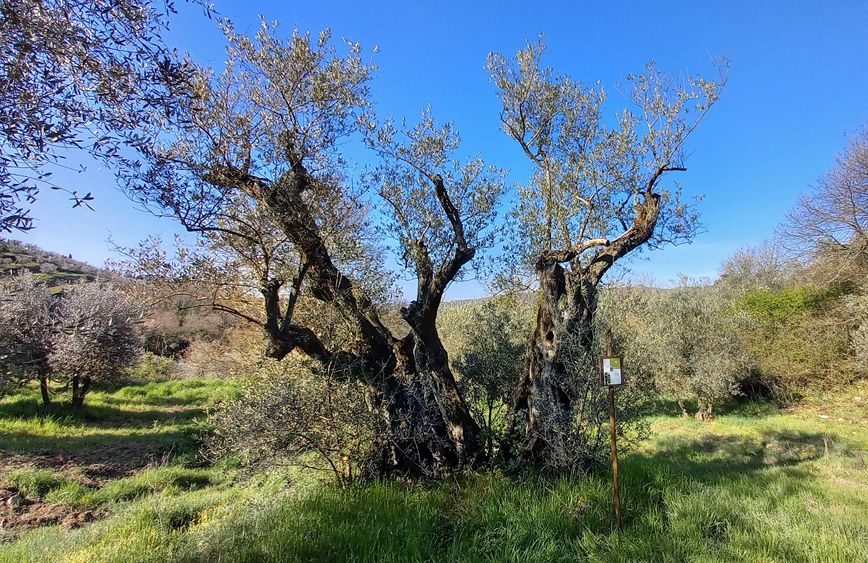
The most important is undoubtedly the Olivone di Montebenichi, a centuries-old olive tree that represents an indigenous variety of Valdambra, making it a unique plant that has resisted all environmental and parasitic adversities in the various centuries of its long life.
More info: Alberi della Memoria.
Wild Animals
Thanks to the presence of uncontaminated forests, it is not uncommon to encounter wild animals during walks, just like on a safari on the African continent. And just like on safari, it is important to observe precise behavioral rules with each animal.
Although they are not aggressive, it is recommended to never approach wild animals in their habitat, and to pay particular attention when driving at night: wild boars and roe deer usually cross the road suddenly.
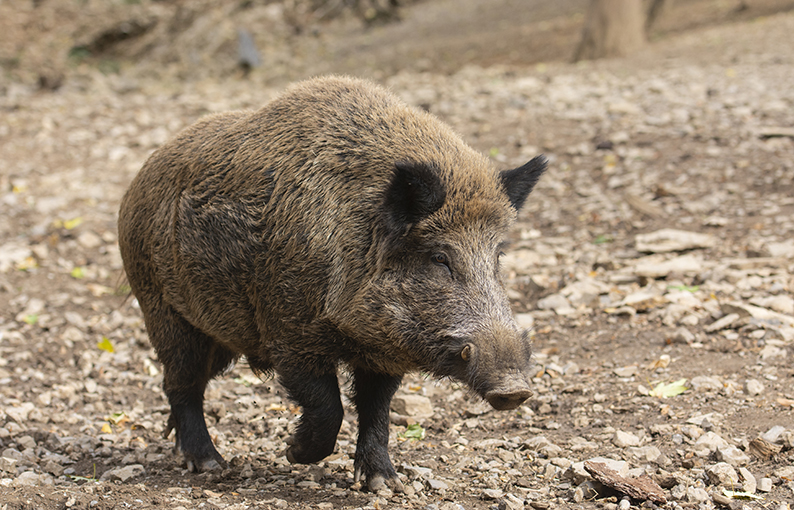
Wild boar
This is the most common ungulate to encounter, especially at night. In the event of a close encounter, stop, remain calm and distance yourself from the animal.
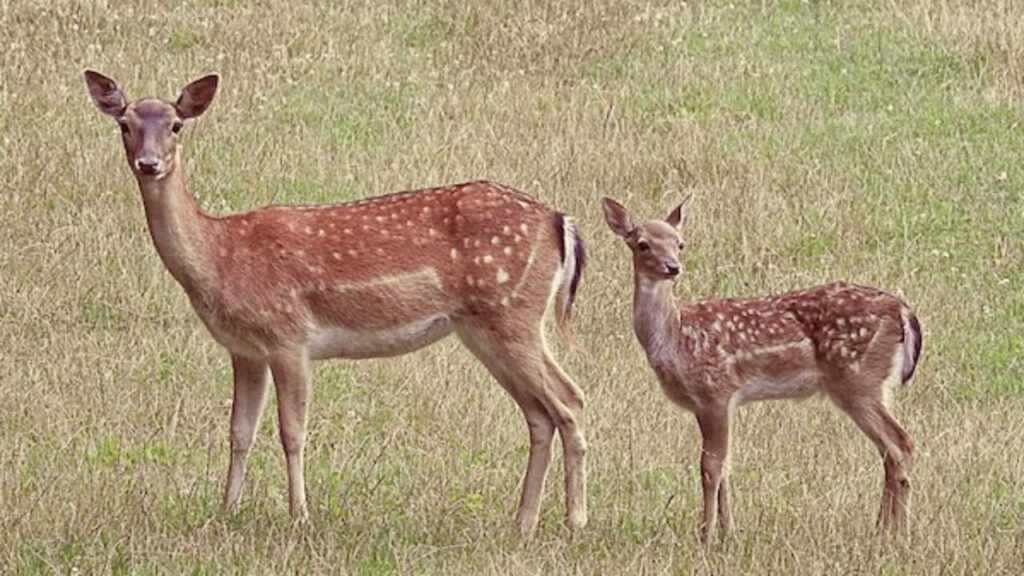
Roe deer
The roe deer is a small cervid, usually 15-30kg. It is a shy and shy animal, and it is possible to meet it grazing during the day.
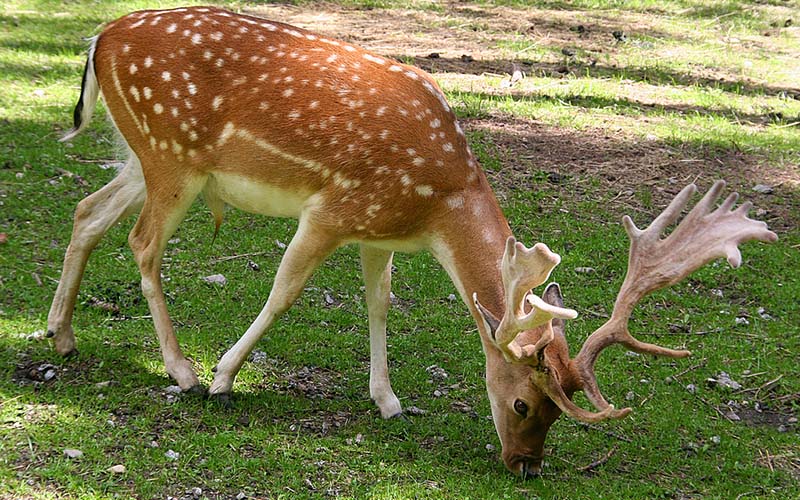
Fallow deer
The fallow deer is the older brother of the roe deer, its weight can reach 70-80kg. The probability of meeting him is low. Do not approach or move away from any possible escape route for the animal.
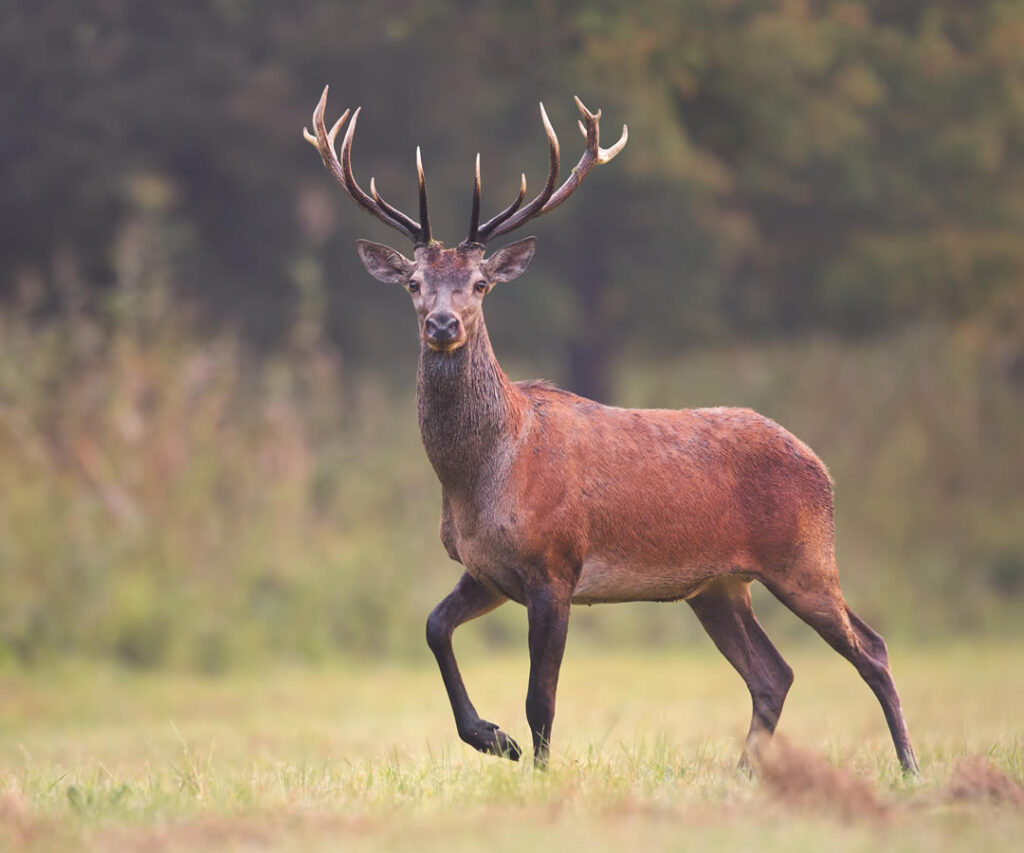
Deer
The royal deer is the largest of the cervid family that can be found in Valdambra, although a sighting of this specimen is a rather rare event. Its weight can reach 150-200kg. Do not approach or move away from any possible escape route for the animal.
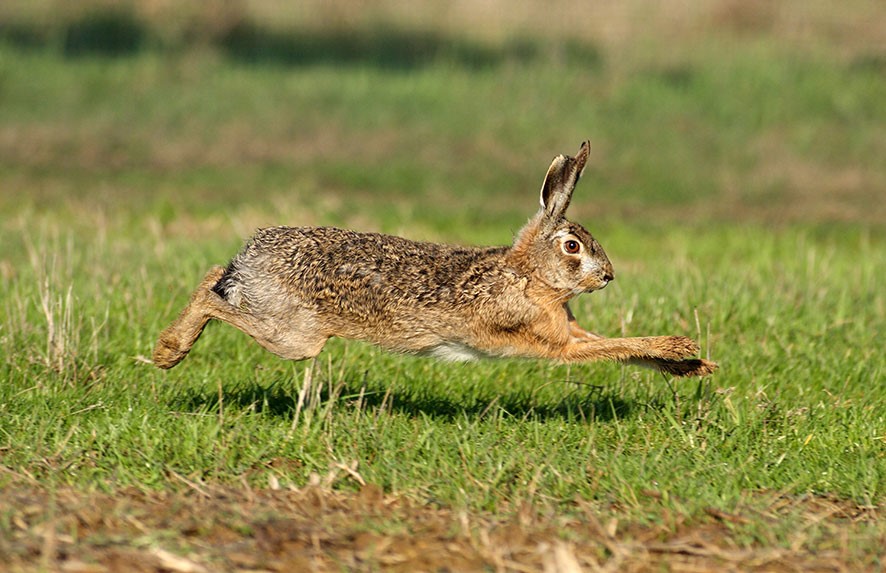
Wild rabbit
It is a rabbit-like mammal, it is common to spot it along the roads at night.
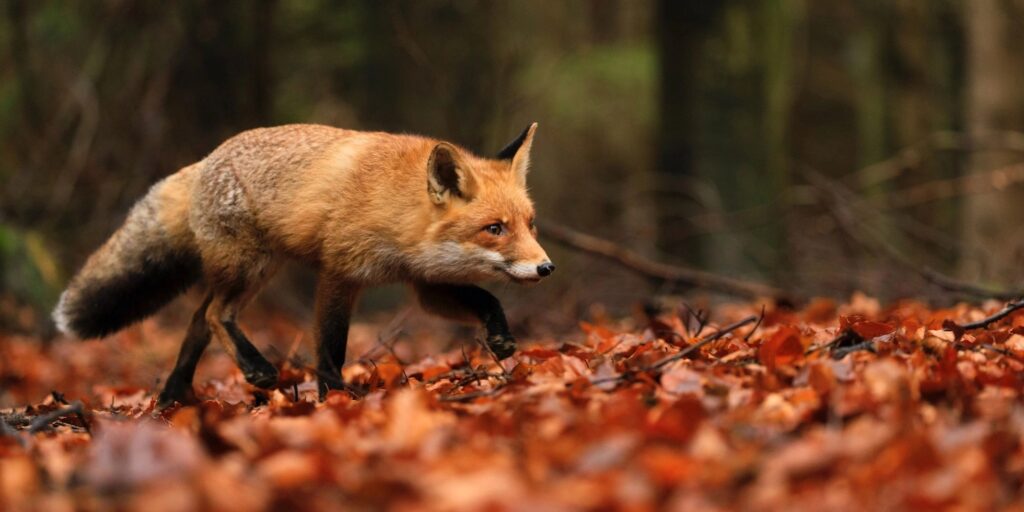
Fox
The red fox is a nocturnal and solitary animal, present massively in the territory.
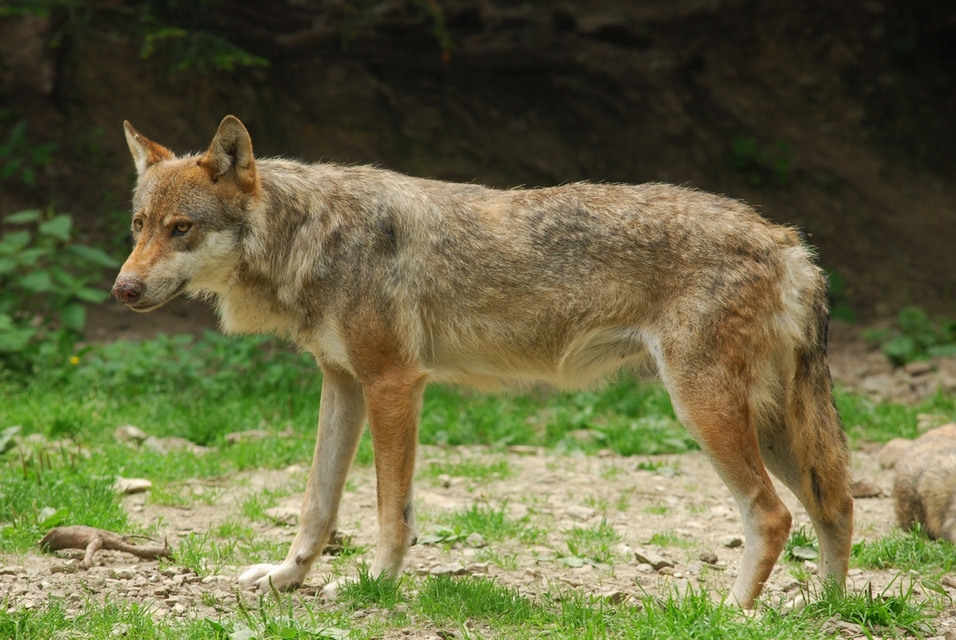
Wolf
Very similar to a dog, the wild Italian wolf is a mammal at moderate risk of extinction. It moves in small herds, in case of a close encounter, it is important not to flee, but rather to make noise to ward off the animals.
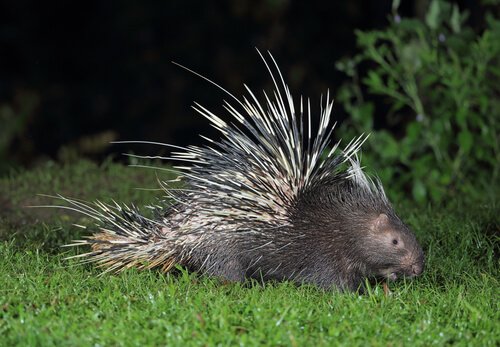
Porcupine
The porcupine is a large rodent (up to 20kg), known for the peculiarity of straightening its quills in dangerous situations.
Snakes are also common to spot, and among these it is important to know how to recognize the Italian viper (Vipera Aspis), particularly poisonous and present throughout the territory.
Compared to non-venomous snakes, the viper’s head is more flattened and, seen from above, has an almost triangular shape. It has a color ranging from gray to reddish brown. It can have a maximum length of 80 centimeters and its body has zigzag designs. It has a rather stocky body with a very short pointed tail. The viper’s eye has a vertical pupil, like that of cats, while that of other snakes is circular.
Before gathering anything, move the herbs and stones with a stick to ward off any possible threats. Avoid placing your hands under stones or piles of wood. In case of bite:
- stay calm and remain still
- apply a tourniquet a few centimeters upstream of the wound
- transport the injured person to the nearest emergency room